If you want more space, more privacy, and easier access to Anchorage’s nature, the Hillside often comes up for good reason. Life here feels different from a typical city neighborhood, and that difference can be a real advantage if it matches how you want to live. In this guide, you’ll get a clear picture of what daily life in Anchorage’s Hillside neighborhoods is actually like, including the setting, home styles, road realities, and what to think about before you buy. Let’s dive in.
Hillside living at a glance
Anchorage’s Hillside neighborhoods sit in the south and southeast part of the Anchorage Bowl, roughly 7 to 15 miles from downtown Anchorage. That location gives you access to city jobs, services, and shopping while still feeling more removed from a standard urban pattern.
The Hillside District Plan describes the area as a low-density residential district with a range of character. In the lower northwest Hillside, the feel is more suburban. Farther up the slope, the landscape becomes more rural, with larger lots, and forested areas.
For many buyers, the appeal is simple. You get more elbow room, more visual separation between homes, and a quieter setting. The area is also known for dark night skies and easy access to undeveloped open space.
What the neighborhoods feel like
The Hillside is not a city-grid neighborhood. Streets, lot layouts, and development patterns can vary quite a bit from one area to the next, which means your day-to-day experience may depend heavily on the specific property and subdivision.
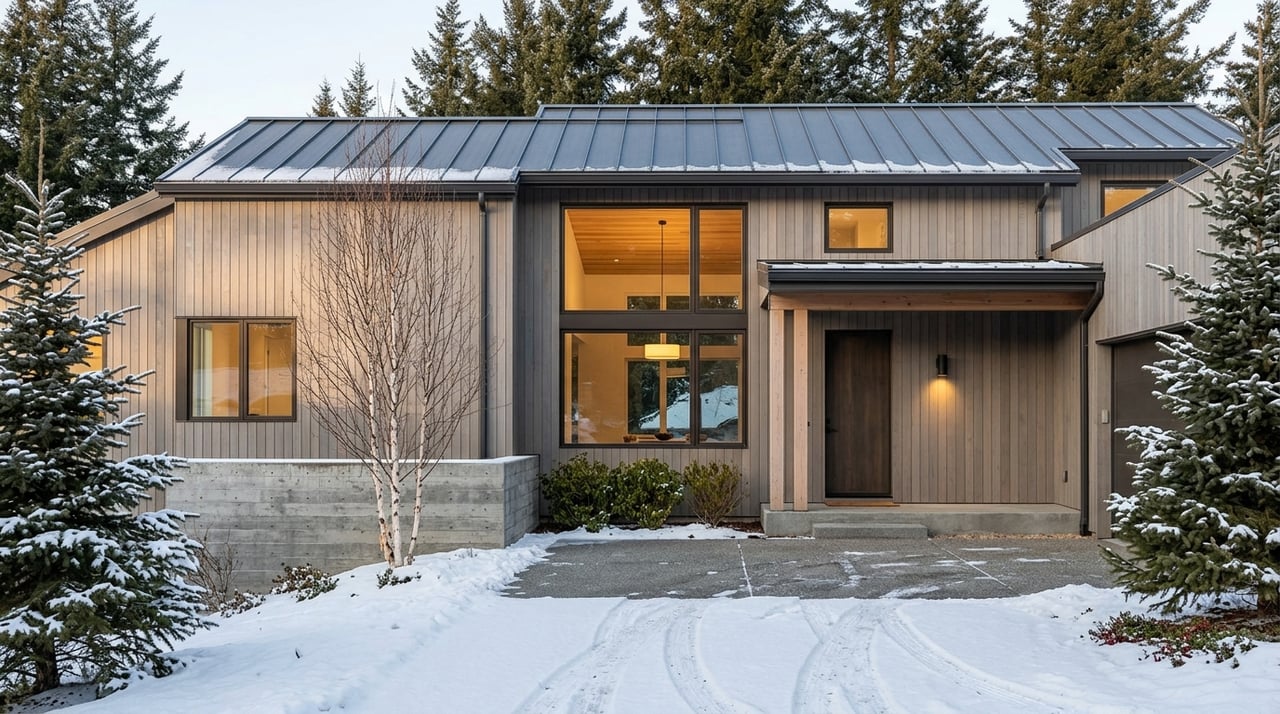
Across most of the district, single-family homes are the dominant housing type. The municipal plan also notes scattered large-lot homes, owner-built homes, and a generally low-intensity residential pattern. If you are looking for compact urban living, this area may feel too spread out. If you want privacy and breathing room, that same layout may be exactly the point.
Lower Hillside feel
Lower Hillside tends to feel more suburban. It has a more developed road network and some denser pockets than the upper areas, which can make it feel a little more familiar if you are moving from another Anchorage neighborhood.
You may still see natural features and less uniformity than in a standard subdivision. Even in the lower Hillside, the area is shaped by terrain, wetlands, and a less rigid layout than many buyers expect elsewhere in town.
Upper Hillside feel
Upper Hillside has a more rural character. Homes are often more spread out, lots are generally larger, and vegetation plays a bigger role in the overall setting.
In many places, the road pattern is more organic, and some streets are narrower gravel country lanes. That can add to the sense of privacy and quiet, but it also means convenience and access can feel different from a flatter, more connected neighborhood.
What kinds of homes you’ll find
Most homes in the Hillside are single-family properties. The overall pattern leans toward low-intensity residential use, with limited medium-density and multifamily development expected mainly along the western lower Hillside.
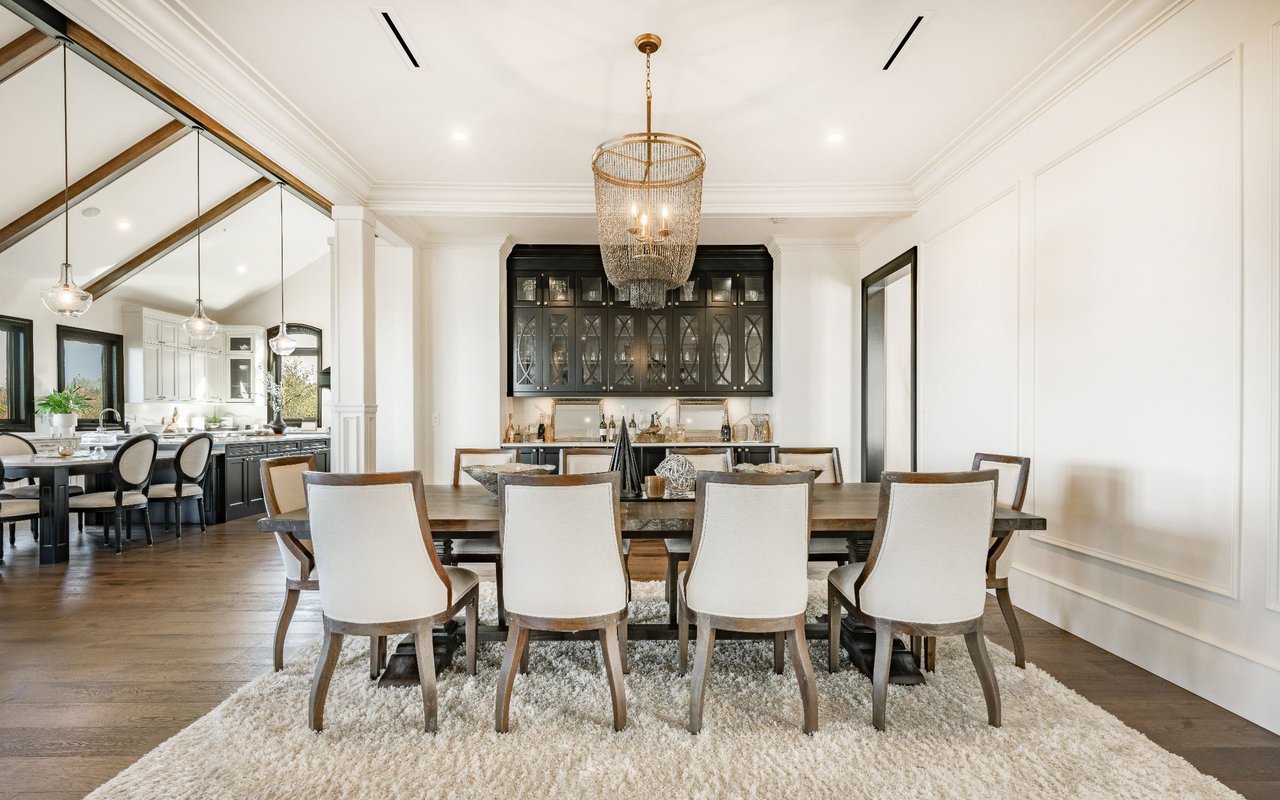
That means the housing stock can feel less uniform than in neighborhoods built on a more standard suburban model. You may see a mix of established homes, large-lot properties, and owner-built homes with very different layouts, materials, and site conditions.
This variety can be a plus if you want something with more character or a stronger connection to the land. It also means careful property-level review matters, because two homes a short distance apart may have very different access, maintenance needs, and utility setups.
Daily lifestyle beyond the house
The Hillside lifestyle is about more than what sits on your lot. The district includes uses that support a more experience-driven, residential setting, including municipal parks, horse stables, a golf course, churches, and the Alaska Zoo. Retail and service commercial uses are limited, which helps preserve the area’s quieter feel.
For many residents, that balance is a big part of the appeal. You are still in Anchorage, but the setting often feels more connected to land, views, and recreation than to errands and traffic.
Trails and outdoor access
One of the biggest advantages of living on the Hillside is outdoor access. The Municipality of Anchorage notes that the city has an award-winning trail system, and many trails connect to Chugach State Park.
The Alaska Department of Natural Resources describes the Hillside trail system as close to the city and useful in both summer and winter. Hikers, skiers, and other users share these routes, and wildlife awareness matters because moose frequently use the trails.
Nearby green-space anchors include Far North Bicentennial Park, Campbell Tract, several Chugach State Park trailheads, Hilltop Ski Area, and Hillside Park singletrack. If you want a home base that supports an outdoor routine, this area has a lot to offer.
A practical note on the trail system
The trail network is extensive, but it is not always polished or continuous in the way an urban park path system might be. The municipal plan describes parts of it as informal and disconnected, ranging from roadside paths to game trails.
Some well-used routes also cross private land that may eventually be developed. Popular trailheads can become crowded too, with Glen Alps noted in the plan as an example of heavy parking demand. In other words, the access is a major strength, but it helps to understand the system as it really is.
Winter and road realities
Hillside living comes with tradeoffs, and winter access is one of the most important. The municipal plan notes that roads are often icy and slick in winter, especially in upper areas where route options may be limited.
That matters because the terrain is a real part of daily life here. Sloped lots, steeper driveways, narrower roads, and fewer alternate routes can all affect how easy it is to get in and out during winter weather.
Anchorage’s climate adds context. NOAA’s 1991 to 2020 normals for Anchorage Merrill Field show an annual mean temperature of 37.8°F, a January mean of 15.4°F, a July mean of 61.1°F, and 14.16 inches of annual precipitation. With many below-freezing days each year, road access, drainage, and home maintenance planning are not side issues. They are part of smart buying.
Why road details matter
Road maintenance is not always handled the same way it is in other parts of Anchorage. The Hillside District Plan says some roads are maintained through local road service areas or rural road service areas.
In independent areas, homeowners associations may rely more on local resident effort than on a government-assisted maintenance system. If you are considering a property here, understanding who maintains the road and how snow and ice are handled is an important first step.
Utilities and infrastructure to understand
Many Hillside homes do not have the same public service setup you may find elsewhere in Anchorage or Eagle River. According to the municipal plan, roughly 80% of Hillside homes rely on on-site water and well service.
The remaining homes, mostly in western portions of the district, use public water and sewer. That makes utility review especially important during your home search, because service expectations can vary significantly from one property to another.
Drainage is another key issue. On sloped lots, runoff management can affect both day-to-day use and long-term maintenance, so it is worth taking a close look at how water moves across the site.
What buyers should check carefully
In the Hillside, the property itself is only part of the story. The road, lot, and utility setup can have a major impact on how comfortable and practical the home feels over time.
A few buyer checks matter especially here:
- Road maintenance responsibility for the specific street or subdivision
- Snow and ice handling on the road and driveway
- Drainage and runoff patterns on sloped lots
- Water and sewer service versus on-site water and well service
- Driveway grade and winter access
- How many route options the property actually has
These are the kinds of details that can make a home feel easy to live in or more demanding than expected. Clear answers upfront can reduce stress and help you compare properties more confidently.
Who Hillside living tends to suit
The Hillside tends to be a strong match if you want more privacy, more space, and a closer connection to nature while staying inside Anchorage. It can also appeal to buyers who value trail access and a semi-rural feel over dense walkability or a more conventional neighborhood layout.
This area may be especially attractive if your idea of comfort includes a quieter setting, room between homes, and a home that feels tied to its landscape. For some buyers, that blend of Anchorage access and outdoor lifestyle is exactly what makes the Hillside special.
At the same time, it is not the most natural fit for everyone. If you strongly prefer flat streets, highly uniform infrastructure, or a standard suburban grid, the Hillside may feel less predictable than you want.
The value of a property-by-property approach
The Hillside is one of those Anchorage areas where broad neighborhood impressions only tell part of the story. Two homes can offer very different living experiences based on elevation, lot shape, road access, drainage, and utility service.
That is why a calm, detailed review matters. When you look beyond square footage and finishes, you can better judge comfort, winter function, and long-term value, especially in a setting where land and infrastructure play such a large role in daily life.
If you’re considering a move to Anchorage’s Hillside neighborhoods, working with a local advisor who understands both lifestyle fit and property-level details can make the process much smoother. Stephanie Richardson offers thoughtful guidance for buyers and sellers across Anchorage, with a practical eye for comfort, long-term value, and the details that matter in Alaska homes.
FAQs
What is the general location of Anchorage’s Hillside neighborhoods?
- Anchorage’s Hillside neighborhoods are in the south and southeast part of the Anchorage Bowl, roughly 7 to 15 miles from downtown Anchorage.
What types of homes are most common in Anchorage’s Hillside neighborhoods?
- The area is dominated by single-family homes, including large-lot properties and some owner-built homes, with limited denser development mainly in the western lower Hillside.
What is the difference between Lower Hillside and Upper Hillside in Anchorage?
- Lower Hillside generally feels more suburban with a more developed road network, while Upper Hillside feels more rural with larger lots, more vegetation, and homes that are more spread out.
What should buyers check before purchasing a home in Anchorage’s Hillside neighborhoods?
- Buyers should closely review road maintenance, snow and ice handling, drainage, water and sewer setup, driveway grade, winter access, and available route options.
Are public utilities common in Anchorage’s Hillside neighborhoods?
- Many are not. The Hillside District Plan states that about 80% of Hillside homes rely on on-site water and well service, while the rest, mostly in western areas, use public water and sewer.
What is outdoor access like in Anchorage’s Hillside neighborhoods?
- Outdoor access is a major draw, with nearby trails, access to Chugach State Park connections, and recreation areas such as Far North Bicentennial Park, Campbell Tract, Hilltop Ski Area, and Hillside Park.