Anchorage spent three years tearing down every regulatory reason not to build an accessory dwelling unit. The city dropped the parking mandate in 2022, dropped the owner-occupancy requirement in 2023, and opened nearly every residential and commercial zone to a second dwelling on the same lot. This spring the municipality went further and started handing out free, pre-approved architectural plans so homeowners could skip the design fees entirely. The zoning side of this problem is largely solved.
The lending and appraisal side is not, and that gap is the thing worth understanding before you write an offer on a property with an ADU, or list one, or start sketching where a garage-top apartment might go on your own lot.
What the city actually changed, and why it moved this fast
The reforms did not happen piecemeal. The Anchorage Assembly approved the core ADU liberalization in January 2023, and city leaders have kept adding to it since: easing design-compatibility rules, removing the requirement that an owner live on site, and in 2024 opening the door to duplexes, triplexes, and fourplexes on lots that used to allow only a single house. The stated goal, repeated by Mayor Suzanne LaFrance, is 10,000 new homes in the municipality over the next decade. An ADU strategy is one of the few ways to hit that number without waiting years for large subdivisions to clear permitting.
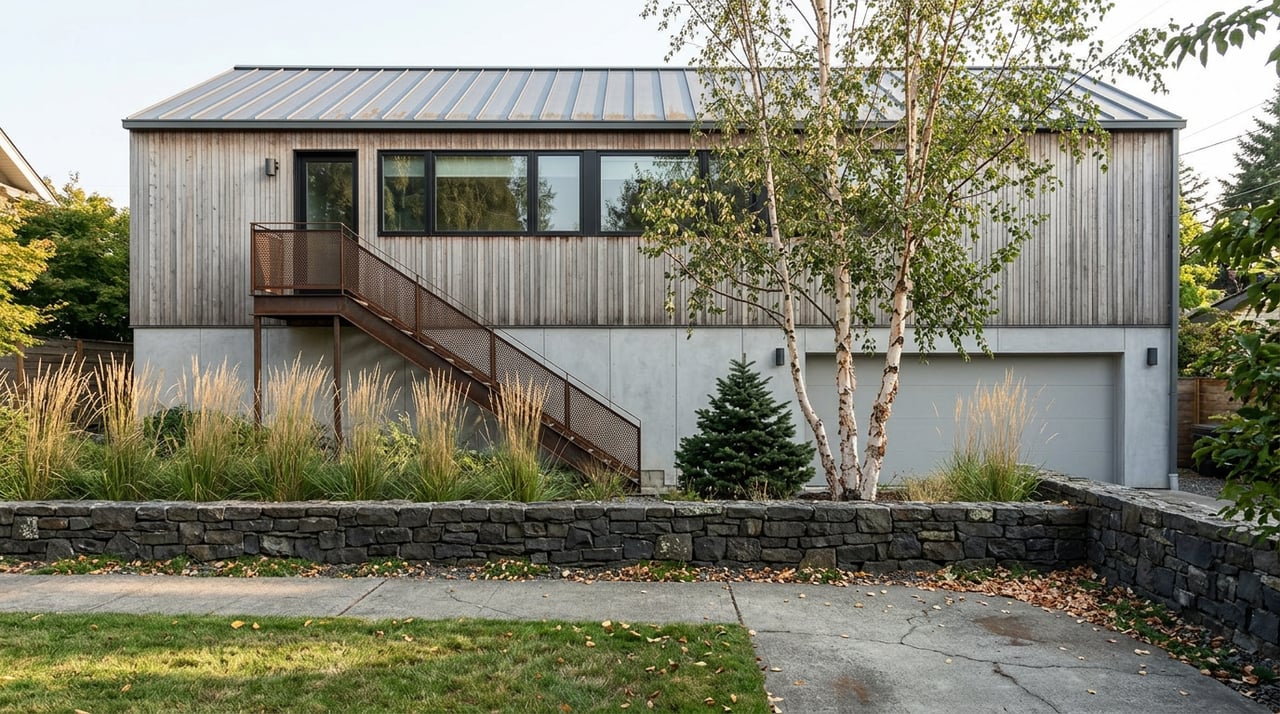
This spring the city took the next practical step. The Municipality of Anchorage released two free, pre-approved ADU designs: the Williwaw, an 811-square-foot one-bedroom unit built over a two-car garage and entryway, designed by the Seattle firm workshop AD, and the Near Point, a 460-square-foot vaulted one-bedroom unit designed by Anchorage-based WILMWORKS with an interior package from Tori Hickel Design. The city paid $15,000 for each design, according to Clare Ross, the Assembly's legislative services director, and the plans are meant to save homeowners the several thousand dollars a custom design firm would otherwise charge. A cohort from the University of Alaska Anchorage's engineering program was developing additional designs, with a summer release planned at the time the program launched.
Ross put the intent plainly: the city removed barriers because, in her words, "for the most part, you can build them anywhere now." That is true. What she also acknowledged is that interest has run ahead of construction. Permits have climbed noticeably since the 2023 reforms, but the numbers are still far from what the zoning change made possible.
The permit count tells you where the market actually is
| Period | ADU permits issued (Anchorage) |
|---|---|
| Prior-decade average | about 18 per year |
| 2025 | 42 |
Forty-two units in a single year is real growth against a decade-long average of roughly 18. It is also, in a city with tens of thousands of single-family lots now legally eligible for a second unit, a rounding error. That gap between what is allowed and what has actually been built matters more than it looks, because appraisers do not value a property type on what the code permits. They value it on what has sold. With only a few dozen ADUs added to the local housing stock each year, there simply are not enough completed, sold, or rented comparables in most Anchorage neighborhoods for an appraiser to point to and say, with confidence, this is what a legal ADU reliably adds to a sale price.
That is the first half of the gap. The second half is what happened to the financing rules at almost the same moment.
The lending rule that just caught up, sort of
For most of the time Anchorage has been loosening its ADU zoning, the national mortgage industry treated rental income from an accessory unit as something a lender might consider case by case, not something built into standard underwriting. That changed in October 2025, when Fannie Mae updated its Selling Guide to allow rental income from an ADU on a borrower's primary residence to count toward qualifying income for the first time in a standardized way. The update was built into Fannie Mae's automated underwriting system during the first quarter of 2026, though lenders doing manual underwriting were able to apply it as soon as it was announced.
The mechanics matter for anyone doing the math on a specific property. Lenders generally count a portion of the ADU's documented rent, whether from an existing lease or an appraiser's market-rent estimate, and that contribution is capped as a share of the borrower's total qualifying income. Freddie Mac's own guidance frames it the same way: an ADU can support a mortgage payment, but only through a documented, appraised figure, not an assumption.
The Appraisal Institute flagged the real risk in this transition. Because rental income from an ADU can now feed into loan qualification and into the property's appraised value at the same time, appraisers were explicitly warned to avoid double counting the same income stream twice, once in an income-based analysis and again as an upward adjustment in the sales-comparison approach. That warning exists because the industry knows appraisers are still figuring out how to treat these units consistently, which is exactly what you would expect in a market where the comps are this thin.
Why this creates a window, not a wall
Put the two halves together. The city has made it legally easy to add a second income-producing unit to a huge share of Anchorage properties. The lending rules that let a buyer use that income to qualify for a bigger mortgage only became standardized in the last several months. And the appraisal comps needed to price that income into a home's value with confidence are still accumulating one small permit batch at a time.
With the median Anchorage home sale sitting well into the $400,000s this year, an ADU is one of the few features that can meaningfully shift what a buyer can afford or what a seller can reasonably ask. But right now, in this specific market, that shift depends less on the unit itself and more on whether the paperwork behind it exists yet. A legal, permitted, documented ADU with a lease in hand is a very different asset to a lender than an unpermitted mother-in-law setup a seller describes verbally during a showing. The zoning reform made both of those legal in most zones. Only one of them will show up on an appraisal.
For a buyer, this means the property with a quietly underpriced legal ADU is out there this year, before every agent and every appraiser in town has fully adjusted to what these units are worth. For a seller, it means the paperwork you assemble before listing, permits, a lease or documented market rent, a clear record that the unit was built to code, does more work than the unit's square footage alone.
Questions worth asking before you write an offer or sign a listing agreement
- Is the ADU permitted, and can the seller produce the permit record, not just a verbal description of when it was built.
- Is there a current lease, or has a market-rent analysis been done recently enough for a lender to use it.
- Has your lender actually closed a loan using ADU rental income under the post-October 2025 rules, or are they still working from older guidance.
- If you are buying with a plan to build an ADU later, does the property sit in a homeowners association with covenants that restrict it. Alaska law does not override HOA restrictions the way some states now do, so city zoning approval is not the final word.
A few direct questions
Does building a legal ADU guarantee my home's appraised value goes up right away? Not automatically. The appraiser still needs comparable sales or documented rental income to support an adjustment, and both are thinner in Anchorage right now than the zoning change would suggest.
Can a buyer count rental income from an ADU that does not exist yet? Generally only in narrow, program-specific circumstances tied to renovation financing, and typically at a reduced percentage of projected rent rather than full market rent. This is a conversation to have with a lender early, not after you have written an offer.
Does the city's ADU program cover Girdwood and Eagle River the same way it covers the Anchorage Bowl? The Municipality's own guidance notes ADUs are allowed in most residential zones in Chugiak-Eagle River and Girdwood as well as the Bowl, though the underlying code sections differ by area, so the specifics are worth confirming for a given parcel.
Anchorage's housing shortage created the incentive to loosen ADU rules this fast. The lending and appraisal side of the market is still catching up to that incentive, which is a useful thing to know whether you are pricing a listing that already has one or comparing two similar homes where only one does.
If you are weighing a property with an existing accessory unit, or thinking through whether one makes sense on a lot you already own, Alaska Luxury Homes can walk through what the current lending and appraisal landscape actually supports before you make an offer or set a price. Schedule a free consultation to talk through the specifics of your property and your timeline.