The first showing of your Anchorage home often happens online, not at the front door. In a market where buyers are moving quickly and comparing homes on their screens first, the way your property looks in photos can shape how much interest you get and how confidently buyers respond. If you want your home to feel bright, spacious, and memorable, a smart staging and photography plan can help. Let’s dive in.
Why presentation matters in Anchorage
Anchorage remains a competitive market. According to Redfin’s Anchorage housing market snapshot, the median sale price was $425,000 in February 2026, homes were selling in about 33 days, and properties received an average of 2 offers with a 98.7% sale-to-list price.
In that kind of environment, presentation is not just about making your home look nice. It can influence how quickly buyers engage and how much flexibility you may have in negotiations. A polished home signals care, reduces distractions, and helps buyers focus on the property itself.
National research points in the same direction. In the 2025 NAR Profile of Home Staging, 83% of buyers’ agents said staging made it easier for buyers to visualize a future home, and 73% said photos were highly valued.
That does not mean staging guarantees a higher sale price or a faster sale. But it does suggest that strong presentation tends to support better first impressions, and first impressions matter when buyers are scrolling through listings before deciding what to tour.
Anchorage conditions change your strategy
Winter light is limited
Anchorage staging and photography need to account for local daylight. The National Weather Service climate data for Anchorage shows 9 hours and 24 minutes of daylight on February 18, 2026, compared with 17 hours and 38 minutes on July 25, 2025.
That difference affects how you schedule photo day. In winter, the safest approach is to plan shoots during the brightest part of the day and make sure the inside of the home is well lit. If your listing photos are too dark, buyers may assume the home itself feels dark, even if that is not the case in person.
Snow and entry areas matter
Anchorage weather also shapes curb appeal. That means buyers notice more than your siding color or landscaping. They also notice whether the walkway is shoveled, whether the porch looks safe and clean, and whether winter gear is overflowing at the entrance. In Anchorage, those details become part of the visual story.
Views should stay visible
If your home has mountain, water, or skyline views, protect them. For sellers, that means avoiding heavy window coverings, bulky furniture placement, or decor that blocks sightlines. A view is not background. It is a feature buyers may remember long after they leave.
Start with the highest-impact rooms
You do not always need to stage every room the same way. A focused plan often works well, especially if you start with the spaces buyers care about most.
Living room comes first
The living room is the top staging priority in the 2025 NAR staging report.
Keep furniture in scale with the room and leave clear walking paths. If possible, orient seating toward the best natural light or the strongest view. The goal is to make the room feel open, comfortable, and easy to understand in photos.
Kitchen needs clean surfaces
The kitchen is another high-priority space.
Start by clearing countertops as much as possible. Put away small appliances, remove magnets and papers from the refrigerator, and make sure the sink, backsplash, and cabinet fronts are spotless. Clean, simple surfaces photograph better and make the room feel larger.
Primary bedroom should feel calm
The primary bedroom is also important.
Use crisp bedding, keep nightstands simple, and remove laundry, charging cords, and heavily personal items. You want the room to feel restful and uncluttered, not overstyled.
Bathrooms should look polished
Bathrooms do not need much decor, but they do need to look clean and finished. Remove most personal products, close the toilet lid, and polish mirrors and fixtures.
Even small bathrooms can photograph well when the counters are clear and the lighting is bright. Buyers tend to notice cleanliness quickly in these spaces.
Flex spaces should explain themselves
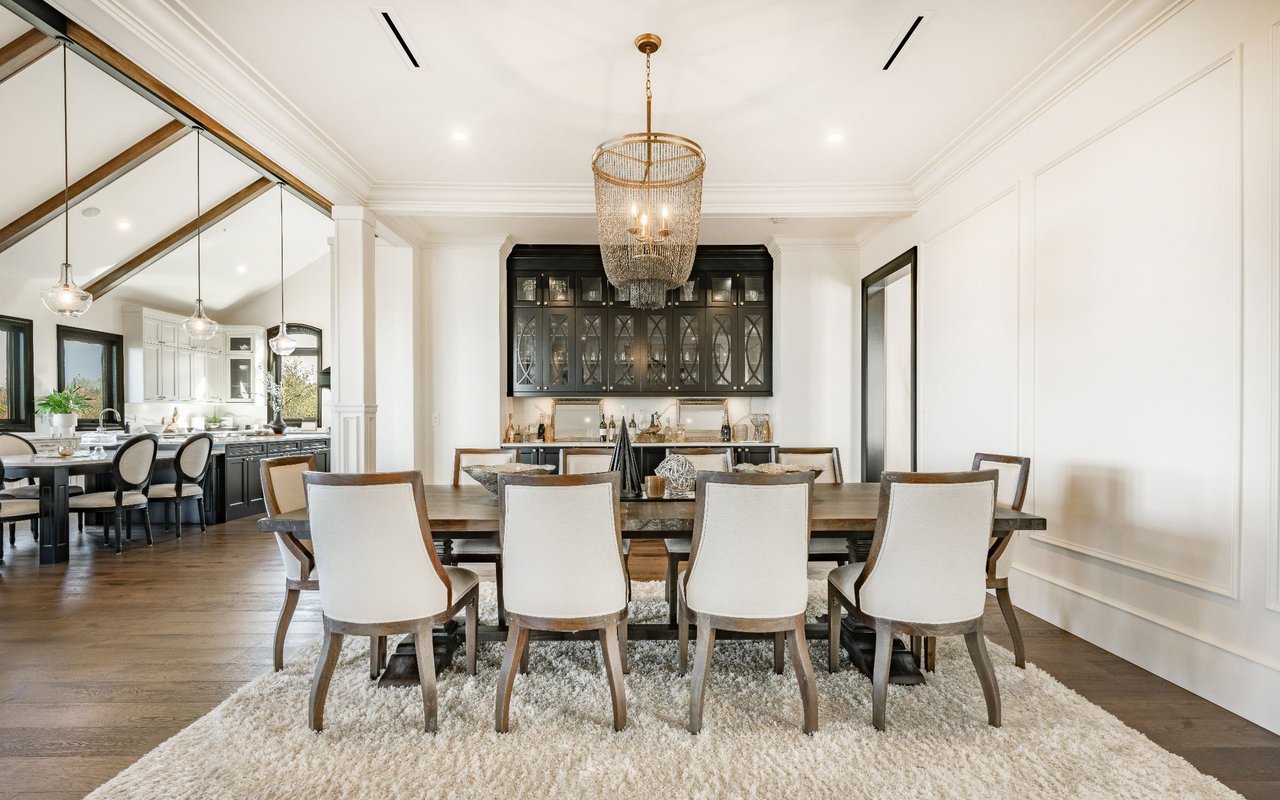
Dining rooms, offices, and flex areas matter most when they clarify how the home functions.
If you have an extra room, give it a clear purpose. A small desk and chair can help a buyer read the space as a home office. A simple dining setup can help a buyer understand scale without adding clutter.
Focus on Anchorage-specific challenge areas
Simplify the entry and mudroom
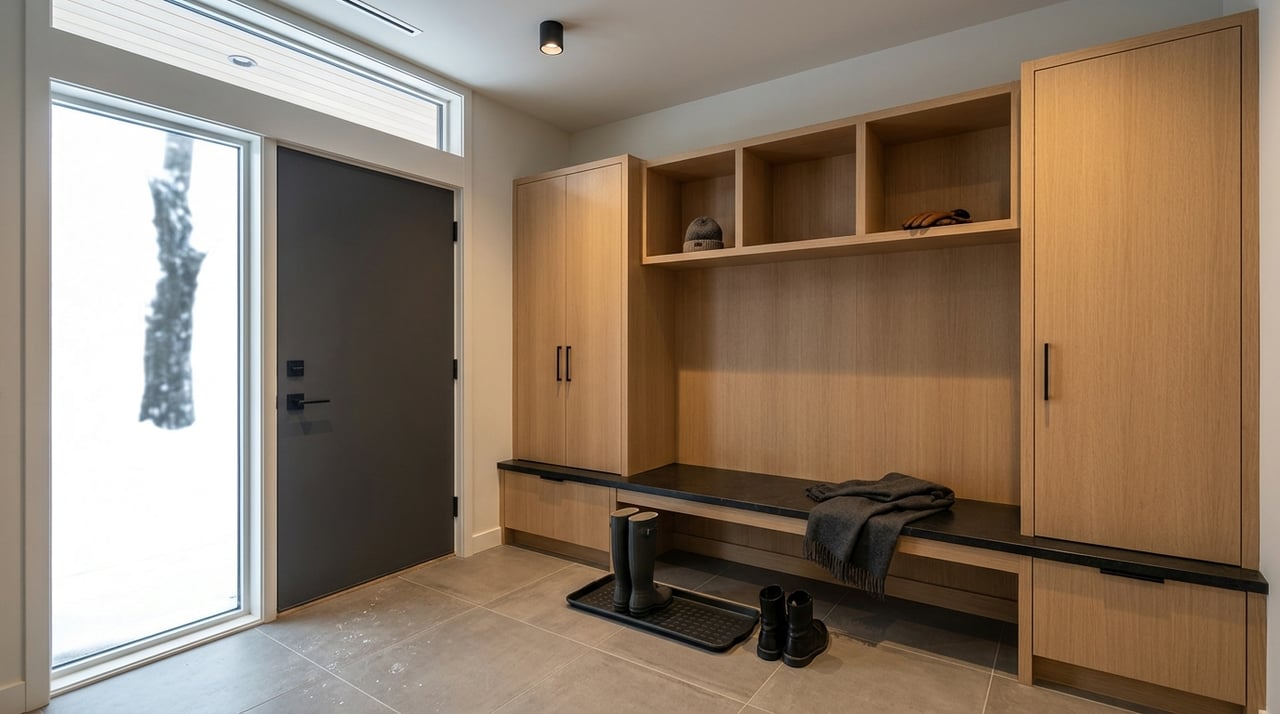
Anchorage homes often need to absorb real winter gear. Boots, coats, helmets, skis, sleds, pet supplies, and utility items can quickly make an entry feel crowded.
Before photos and showings, store as much of that gear out of sight as possible. You want mudrooms, closets, and drop zones to suggest storage capacity, not storage stress.
Clean up exterior details
The front entrance deserves extra attention. NAR’s winter curb appeal guidance emphasizes a clean entrance, lighting, and uncluttered outdoor areas.
For Anchorage sellers, that means shoveling and treating walkways first, then removing visual distractions like extra bins, parked cars in key angles, or scattered seasonal items. A tidy exterior tells buyers the home is cared for before they even step inside.
Remove pet and personal clutter
The 2025 NAR staging report notes that decluttering, whole-home cleaning, and removing pets during showings are among the most common seller recommendations.
That advice matters on camera too. Food bowls, litter items, pet beds, family photos, and daily-use clutter can pull attention away from the home itself. The less buyers have to edit out mentally, the easier it is for them to picture themselves there.
Stage for the lens, not just the eye
A room that looks fine in person may still fall flat in listing photos. That is why it helps to prepare for camera angles, not just everyday living.
According to NAR’s photo staging tips, it is important to plan around the camera, use the best indirect light, turn on interior lights, and clean up what appears outside the windows as well.
Here are a few practical rules to follow:
- Open blinds or curtains if they reveal a good view or bring in light.
- Turn on lamps and overhead lights for warmth and consistency.
- Remove extra furniture that makes rooms feel tight on camera.
- Check window views for parked cars, bins, or exterior clutter.
- Straighten rugs, chairs, bedding, and artwork before every shot.
In Anchorage, this lens-first approach is especially helpful in winter when daylight is short and interiors need to work harder visually.
Build the right media package
Photos are still the foundation of your listing. In the 2025 NAR survey, photos ranked highest in client importance, followed by physical staging, videos, and virtual tours.
That suggests a smart order of operations for many sellers:
- Start with strong still photography.
- Add a walkthrough video to show flow.
- Use a virtual tour when it supports the property and audience.
Virtual tools can help, but they are usually not enough on their own. NAR found that photos and physical staging carried more weight with clients than virtual staging alone.
What sellers should prioritize first
If you want the biggest return on your effort, keep your prep simple and strategic. You do not have to do everything at once.
Start here:
- Deep clean the entire home
- Declutter visible surfaces and storage areas
- Focus staging on the living room, kitchen, and primary bedroom
- Clear the entry, mudroom, and garage of winter overflow
- Shovel and tidy the front approach
- Schedule photography during the brightest part of the day
- Preserve any mountain, water, or skyline views
This kind of preparation helps your home show as bright, organized, and well cared for. In a market where buyers often make fast decisions from listing media, that can support stronger interest from the start.
A thoughtful presentation plan is also one of the clearest ways to reduce stress before your home goes live. When you know what matters most, you can focus your time where it counts and avoid spending money on details that do not move the needle. If you want a calm, strategic plan for preparing your Anchorage home for the market, Stephanie Richardson can help you create a presentation approach that fits your property, timing, and goals.
FAQs
What rooms matter most when staging an Anchorage home for sale?
- The living room, kitchen, and primary bedroom usually deserve the most attention first, with bathrooms, dining areas, and office or flex spaces next if they help explain how the home functions.
Do you need to stage every room before listing an Anchorage home?
- No. According to NAR’s consumer guidance, staging is optional and often focused on key spaces, with many sellers starting with cleaning, decluttering, and curb appeal instead of fully staging the whole house.
What should sellers do before photographing a home in Anchorage winter?
- Plan photos during the brightest part of the day, turn on interior lights, clear snow from walkways, and remove winter gear and exterior clutter that could distract in photos.
Is virtual staging enough for an Anchorage home listing?
- Usually not by itself. NAR’s 2025 survey found that buyers and sellers placed more value on photos and physical staging than on virtual staging alone.
Why do views matter so much in Anchorage listing photos?
- Mountain, water, and skyline views are a meaningful part of the Anchorage lifestyle, so keeping sightlines open can help buyers better understand one of the home’s strongest features.