Selling a high-end home in Anchorage can feel like a lot to manage, especially when pricing, timing, presentation, and paperwork all matter at once. If you want a strong result without unnecessary surprises, the best move is to prepare early and make each step more intentional. With the right plan, you can reduce stress, protect your time, and bring your home to market with confidence. Let’s dive in.
Start With Anchorage-Specific Pricing
One of the biggest mistakes luxury sellers can make is pricing from a citywide average alone. In Anchorage, pricing can vary a lot by area, and that matters even more when you are selling a high-end property.
Recent public market data showed Anchorage with a median listing price of $474,900, 959 homes for sale, 27 median days on market, and a 100% sale-to-list ratio in March 2026. The same source described the market as balanced, which means buyers are active, but they still compare value carefully.
That is why your pricing strategy should be built around current, neighborhood-specific comparable sales and listings. Public listing data has shown notable differences by area, including Rabbit Creek at $965,000, Huffman–O’Malley at $674,500, South Anchorage at $600,000, and Turnagain at $480,000 in median listing price.
For a high-end home, that spread matters. A luxury property in one part of Anchorage may compete with a very different buyer pool than a similarly sized home elsewhere.
Why Assessed Value Is Not Enough
It is easy to look at a tax assessment and assume that number should guide your list price. In Alaska, though, assessed value is considered an estimate of fair market value, not a substitute for a current pricing strategy.
If your goal is less stress, avoid anchoring to that number alone. A pricing plan based on fresh market evidence usually gives you a clearer path and reduces the risk of sitting too long or chasing the market with later price changes.
Time Your Listing Around Conditions
Timing can have a real impact on both convenience and buyer response in Anchorage. Seasonal changes affect not just demand, but also how your home looks, feels, and functions during showings.
Public market data showed Anchorage median days on market dropping from 88 in January 2026 to 37 in May 2026. That suggests spring listings were moving much faster than winter listings.
For many sellers, late spring and summer are the easiest times to present a luxury home well. Exterior photography is simpler, access is easier, and buyers can see outdoor features more clearly.
What Winter Selling Requires
That does not mean you cannot sell successfully in winter. It does mean you need to prepare more carefully.
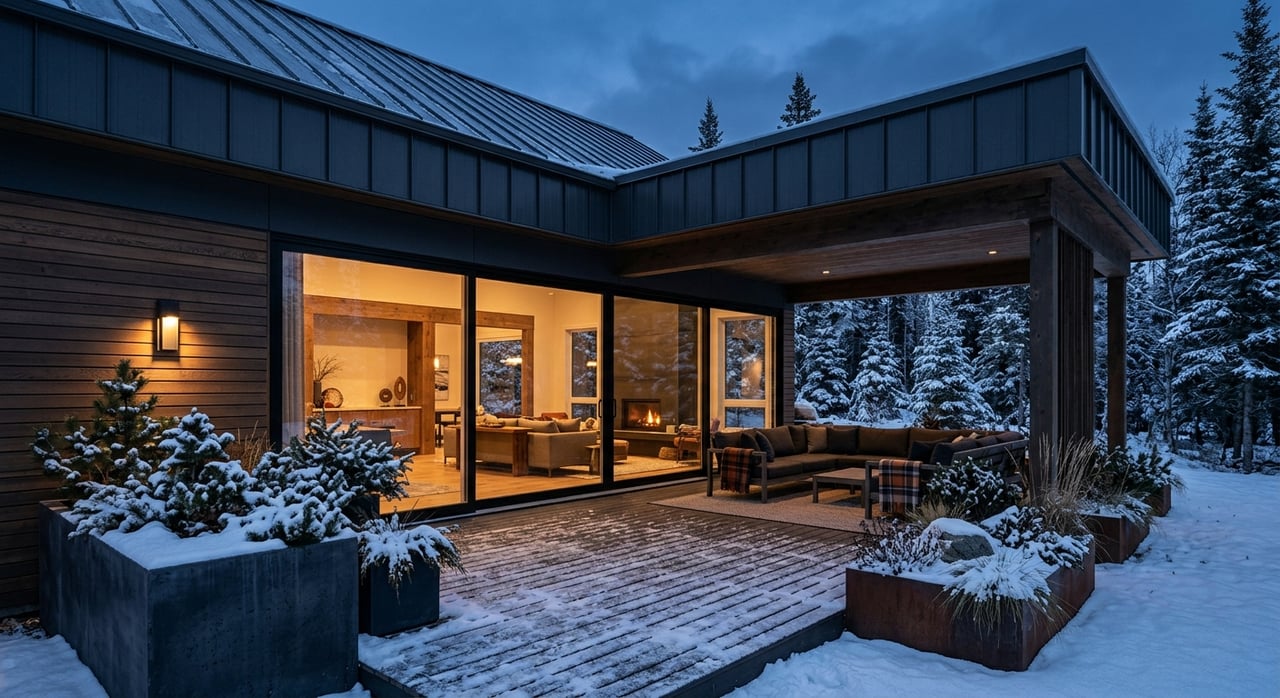
Anchorage averages 77.9 inches of snowfall each year, and annual heating degree days total 7,236. In practical terms, winter listings need strong snow management, safe and clear access, attention to roof and ice-dam concerns, and a home that feels warm, bright, and easy to enter.
If you list during colder months, details matter. A clean driveway, shoveled walkways, reliable exterior lighting, and a well-heated interior can shape a buyer’s first impression before they ever notice the finishes.
Prepare the Home Before Photos
If you want less stress later, do more before your listing goes live. This is especially true in Anchorage, where weather, home performance, and maintenance history can influence buyer confidence.
Because the area has a long heating season and substantial snowfall, buyers often pay attention to comfort and operational reliability. That makes it smart to gather records related to insulation upgrades, window replacements, heating-system service, garage or driveway access, and weather-related maintenance.
For high-end homes, buyers are usually looking for both lifestyle and function. Beautiful design matters, but so does evidence that the home has been cared for in Alaska conditions.
Documents To Gather Early
Before photography and marketing begin, it helps to pull together a clean, organized property file. That can reduce last-minute scrambling and lower the chance of surprises during negotiations.
Consider preparing:
- Utility records
- Service invoices
- Prior inspection reports
- Permit history
- Energy-rating documentation
- Records related to roof issues or repairs
- Drainage or water-related documents
- Heating and system maintenance records
- Any paperwork tied to wells, septic, title issues, flood concerns, or soil concerns
When you have this information ready, buyer questions are easier to answer. That usually creates a smoother process from showing to closing.
Treat Presentation Like a Strategy
In the luxury market, presentation is not an extra. It is part of the pricing and marketing strategy.
According to the 2025 Profile of Home Staging, 83% of buyers’ agents said staging makes it easier for a buyer to visualize the property as a future home. Buyers’ agents also rated photos as much or more important by 73%, physical staging by 57%, videos by 48%, and virtual tours by 43%.
That supports a real investment in how your home is shown online and in person. Since many buyers form their first impression from listing media, your home needs to look polished, accurate, and inviting from the start.
Focus on the Rooms That Matter Most
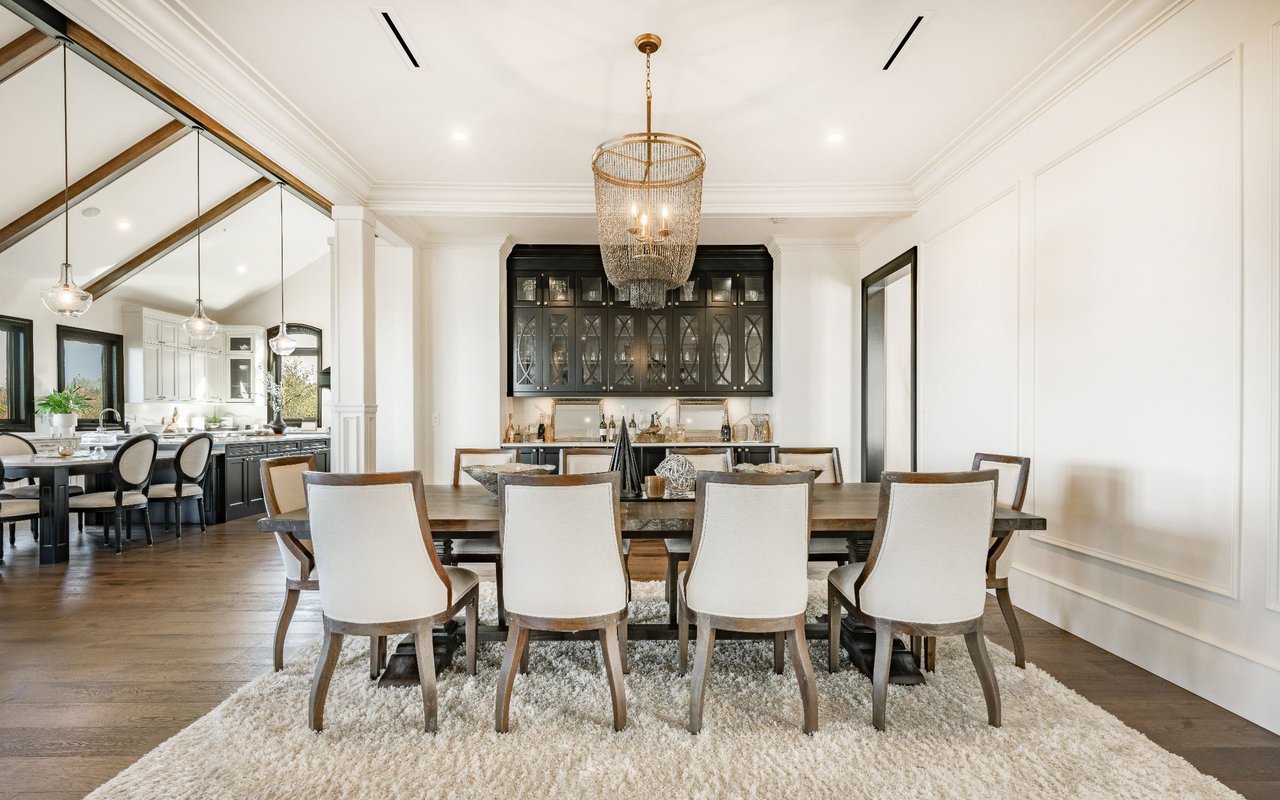
The same staging research found that the most commonly staged rooms were the living room, primary bedroom, and dining room. For many luxury listings, those spaces help set the emotional tone of the home.
That does not mean every room needs a complete redesign. It means the areas that define comfort, entertaining, and daily living should feel clean, proportional, and easy to imagine using.
Use Accurate, High-Quality Marketing
Professional photography, video, and virtual tours can help your listing stand out. They can also save you time by attracting better-prepared buyers who already understand the home before they schedule a showing.
Just make sure the marketing reflects reality. If digital enhancements or virtual staging are used, they should be disclosed clearly so buyers are not surprised when they visit in person.
Handle Alaska Disclosures Early
For many sellers, paperwork is one of the most stressful parts of the process. In Alaska, getting ahead of disclosures can make a major difference.
The Alaska Real Estate Commission says the Residential Real Property Transfer Disclosure Statement must be completed and delivered before a buyer makes a written offer. The form asks about known defects, repairs in the last five years, roof leakage and ice damming, frozen water lines, drainage, inspection history, energy ratings, environmental hazards, flood zones, soil stability or permafrost, remodel permits, pests, noise, and pets.
This is one reason early preparation matters so much. If the disclosure statement or a material amendment is delivered after a written offer, the buyer may have a right to terminate within three days if delivered in person or within six days if mailed.
Why This Lowers Stress
When disclosures are handled before your home hits the market, you create a cleaner process. You are less likely to be searching for records under pressure or trying to explain a repair issue late in the deal.
For luxury sellers, that preparation often helps protect momentum. It also signals that the home has been managed with care.
Review Offers With More Than Price in Mind
The highest offer is not always the easiest offer. If your goal is a lower-stress sale, it helps to review the full picture instead of focusing on price alone.
A structured offer review can help you compare terms more clearly and avoid avoidable fallout later. In a balanced market, that discipline matters.
What To Compare in an Offer
Look at each offer through a practical lens, including:
- Offered price
- Financing strength and certainty
- Inspection scope
- Requested concessions
- Timing for closing
- Flexibility for possession or move-out
- Overall likelihood of a smooth finish
This is where strong negotiation and calm process management can make a real difference. A thoughtful strategy can help you protect value while also reducing the chances of delays, renegotiation, or contract failure.
Build a Plan Around Comfort and Efficiency
In Anchorage, luxury is not only about square footage or finishes. Buyers often notice whether a home feels comfortable, efficient, and well-suited to the climate.
That is why it helps to highlight practical upgrades alongside design features. If you have improved insulation, replaced windows, serviced the heating system regularly, or made other energy-conscious improvements, those details may support buyer confidence.
For the right buyer, those features are not minor. They can be part of the home’s long-term value story.
A Lower-Stress Sale Starts Early
If you want to sell a high-end home in Anchorage with less stress, the clearest path is front-loaded preparation. Price from the right neighborhood data, choose your timing carefully, present the home professionally, complete disclosures early, and review offers with discipline.
That approach does more than make the process feel calmer. It can also help you attract better buyers, reduce surprises, and move toward closing with more confidence.
If you are thinking about selling and want a calm, well-planned strategy tailored to your home and timeline, schedule a free consultation with Stephanie Richardson.
FAQs
When is the best time to sell a high-end home in Anchorage?
- Public market data showed Anchorage median days on market falling from 88 in January 2026 to 37 in May 2026, so spring appears to offer a faster pace than winter for many sellers.
What should I do before listing a luxury home in Anchorage?
- Prepare your disclosure materials, gather repair and permit records, organize utility and maintenance documents, and get the home ready for staging, photography, and showings before going live.
Should I use my Anchorage tax assessment to price my home?
- No. In Alaska, assessed value is an estimate of fair market value, so your list price should still be based on current comparable market evidence.
What rooms matter most when staging a luxury home for sale?
- Recent staging research points to the living room, primary bedroom, and dining room as key spaces to prioritize.
Why do disclosures matter so much when selling a home in Alaska?
- Alaska requires the Residential Real Property Transfer Disclosure Statement to be delivered before a buyer makes a written offer, and handling it early can help reduce delays, confusion, and late-stage contract risk.