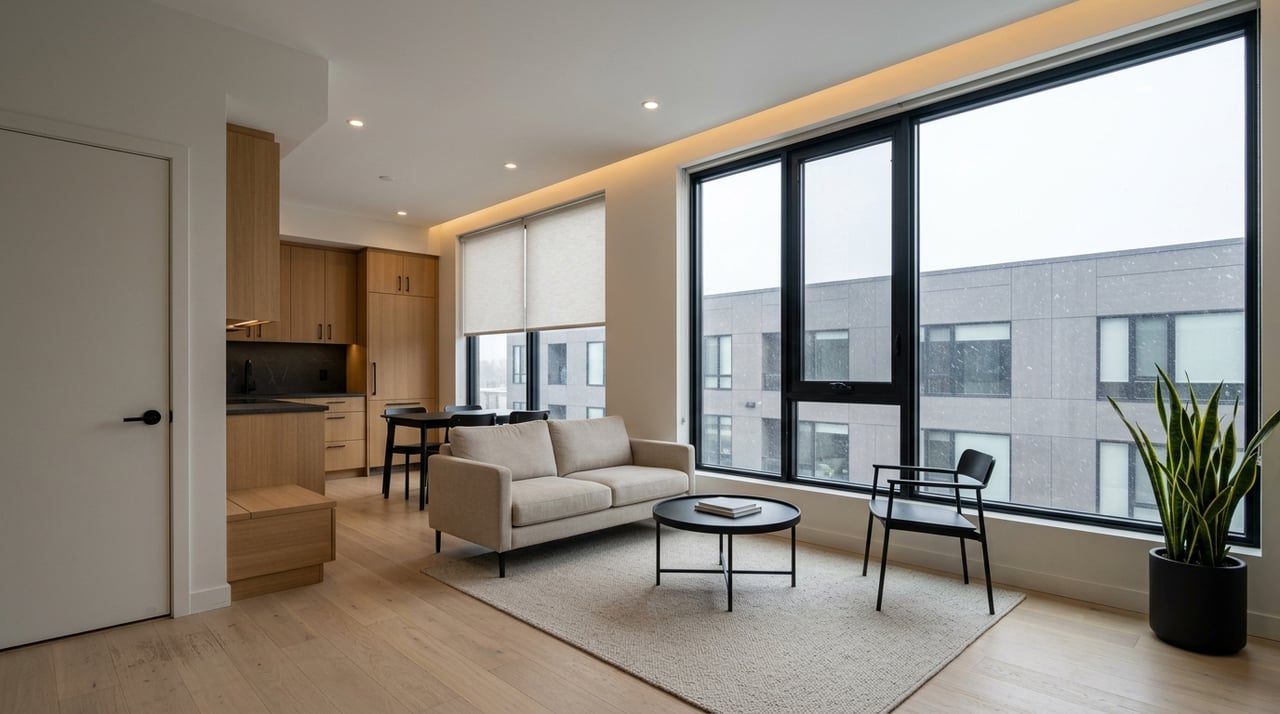
If you want a home that supports travel, long work hours, or a simpler routine, downtown Anchorage condo living can be a smart fit. You may love the idea of staying close to restaurants, arts, trails, and daily conveniences without taking on the full exterior upkeep that often comes with a detached house. The key is knowing what condo ownership really includes, what trade-offs to expect, and which details matter most before you buy. Let’s dive in.
Why downtown Anchorage works
Downtown Anchorage offers the kind of convenience that often draws buyers to a lock-and-leave lifestyle. The Municipality of Anchorage describes downtown as being within easy walking distance of dining, shopping, an 11-block park, museums, and outdoor access.
That walkable mix matters when you want your home to feel easy to use, not like another long to-do list. The Anchorage Museum is open year-round near Town Square Park, and the Alaska Center for the Performing Arts has long served as a downtown arts hub. You can also reach the waterfront and Coastal Trail from downtown on foot.
There is also a stronger service layer downtown than you may find in a more suburban setting. Anchorage Downtown Partnership reports that it supports about 122 blocks in the Downtown Improvement District through maintenance, snow removal, marketing, and more than 50 free community events each year.
For buyers who prefer to drive less, transit is another plus. People Mover is Alaska’s largest public transit provider, and the Downtown Transit Center at 700 W. 6th Avenue gives residents a practical transportation hub right in the core.
What condo ownership means in Alaska
In Alaska, a condominium is a form of common interest community. In simple terms, you own your individual unit, while other parts of the property are owned in common and managed through the association.
That shared structure is central to the condo lifestyle. Alaska law distinguishes between your unit and the common elements, and it also recognizes common expenses, including reserve allocations. That means your monthly housing cost is usually broader than just your mortgage payment.
For many downtown buyers, this is the trade that makes condo ownership appealing. You often take on less direct responsibility for exterior upkeep and shared systems, but you also accept monthly dues, building rules, and shared decision-making.
Why condos fit lock-and-leave living
The biggest advantage of a downtown condo is usually reduced day-to-day maintenance. Compared with a detached home, condo ownership often shifts much of the exterior repair and common-area upkeep to the association.
If you travel often, split time between properties, or simply do not want to coordinate as many exterior chores, that can be a meaningful benefit. You may spend less time thinking about common-area maintenance and more time enjoying your location and routine.
That said, lock-and-leave does not mean zero responsibility. Condo owners still need to understand dues, insurance, rules, reserves, and any upcoming building projects that could affect cost or convenience.
The trade-offs to weigh carefully
Convenience is only one side of the equation. Condo living is usually more communal than owning a single-family home, especially in buildings with shared hallways, elevators, walls, and common amenities.
You may also have less flexibility when it comes to pets, rentals, exterior changes, or certain remodeling decisions. The association typically sets community standards and rules, so it is important to review those documents closely before you commit.
Monthly dues are another major factor. Condo and HOA fees are often paid separately from your mortgage, and they may cover a range of shared costs such as water, sewer, trash, exterior maintenance, insurance for common areas, and reserves.
Special assessments are worth extra attention. Even if the monthly dues feel manageable, an assessment for a large repair or capital project can change the real cost of ownership.
Parking and storage in downtown Anchorage
Parking is one of the most important practical questions to ask when shopping for a downtown condo. A municipal downtown parking study notes that on-street metered parking is limited to 2, 3, or 10 hours and is enforced Monday through Friday from 9 a.m. to 6 p.m.
That same study also notes that overnight on-street parking is prohibited during winter months to allow snow removal. In other words, if you assume street parking will cover your needs year-round, you may run into frustration.
Surface lots and parking garages are available downtown, and EasyPark manages downtown parking and lot maintenance. Still, when you are evaluating a specific condo, treat parking as a verification item rather than a feature to assume.
Ask direct questions such as:
- Is a parking space included with the unit?
- Is the space assigned, deeded, or treated as a limited common element?
- Is there guest parking?
- Is there an option for a second stall?
- Is covered or underground parking available?
Storage deserves the same level of attention. Depending on the building, a storage cage or similar area may be assigned separately in the governing documents rather than included as part of the unit itself.
Amenities can vary a lot by building
Not all downtown condos offer the same experience. Some are in taller buildings with shared interior corridors and elevator access, while others may function more like lower-density townhouse-style properties.
That difference can shape your day-to-day lifestyle. A shared-corridor building may offer features like secure entry, elevator access, fitness space, or more structured common areas, while a townhouse-style project may feel more private but offer a different amenity mix.
The right fit depends on how you define convenience. If your version of lock-and-leave means secure entry and fewer weather-related hassles, one building type may stand out. If you want a quieter setup with a bit more separation, another may make more sense.
What to review before you buy
A downtown condo can look ideal online and still have details that affect your comfort, budget, or flexibility. Before you move forward, make sure you understand both the unit and the association behind it.
Focus on the basics first:
- What does the monthly HOA fee include?
- Are heat, water, sewer, trash, or snow removal included?
- How much is in the reserve fund?
- Are any special assessments in place or being discussed?
- What rules apply to pets, rentals, or remodels?
- Is parking included or assigned?
- Is extra storage included?
Insurance is another area to clarify early. Alaska’s Division of Insurance says the association should insure the building and common areas, while you as the owner need a condo owner’s policy for personal property and your ownership interest in the unit.
It also notes that loss assessment coverage may help if an owner is charged for covered losses to common areas. This is one of those details that can feel small at first, but it matters when you want fewer surprises after closing.
Condo versus single-family living
If you are deciding between a downtown condo and a detached home in Anchorage, the choice often comes down to maintenance versus control. A condo usually offers lower exterior maintenance demands, while a single-family home often gives you more privacy and more direct control over the property.
For some buyers, that makes the decision easy. If you value convenience, central location, and a simpler ownership routine, a condo may line up well with your goals.
For others, the monthly dues, shared walls, and building rules may outweigh the benefits. If maximum independence is your top priority, a detached home may still be the better long-term fit.
How to tell if a downtown condo fits you
A downtown Anchorage condo may be a strong match if you want a home that supports a busy schedule, regular travel, or a more streamlined lifestyle. It can also make sense if you want walkable access to downtown destinations and prefer less exterior responsibility.
The best outcome comes from matching the building to your real habits. Think about how often you travel, how much parking and storage you need, how comfortable you are with shared spaces, and how predictable you want your monthly costs to be.
That kind of clarity is where a good buying process matters. When you review the numbers, documents, and building setup carefully, you can choose a property that feels easy to own, not just easy to admire.
If you are exploring downtown Anchorage condos and want calm, practical guidance on fit, costs, and resale considerations, Stephanie Richardson can help you evaluate your options with clarity.
FAQs
What makes downtown Anchorage condos appealing for lock-and-leave living?
- Downtown Anchorage condos can appeal to lock-and-leave buyers because they often offer walkable access to dining, arts, shopping, trails, and transit while shifting much of the exterior and common-area maintenance to the association.
What does condo ownership in Alaska include?
- In Alaska, condo ownership generally means you own your individual unit while sharing ownership and responsibility for common areas, building systems, and common expenses through the association.
What should buyers ask about downtown Anchorage condo HOA fees?
- Buyers should ask what the HOA fee covers, whether utilities or snow removal are included, how strong the reserve fund is, and whether any special assessments are current or expected.
What should buyers know about parking at downtown Anchorage condos?
- Buyers should confirm whether parking is included, assigned, covered, or available for guests because downtown on-street parking is limited and overnight street parking is prohibited during winter months for snow removal.
What insurance does a downtown Anchorage condo owner need?
- Alaska’s Division of Insurance says the association should insure the building and common areas, while the individual owner should carry a condo owner’s policy for personal property and the unit owner’s interest, with loss assessment coverage worth discussing as well.
How is a downtown Anchorage condo different from a single-family home?
- A downtown Anchorage condo usually offers less exterior maintenance and more shared amenities or systems, while a single-family home typically provides more privacy, more control, and more direct responsibility for repairs and upkeep.