Wondering whether a newer home or an older one makes more sense in Anchorage? It is a smart question, especially in a market where housing age can affect everything from monthly utility costs to future repair plans. If you are weighing charm against convenience, or long-term value against near-term predictability, this guide will help you compare both options with more confidence. Let’s dive in.
Why home age matters in Anchorage
In Anchorage, the age of a home is not a small detail. It often shapes how the home performs, what updates may be needed, and how much flexibility you may have if you want to renovate later.
According to a Municipality of Anchorage housing analysis, 18% of Anchorage housing units were built before 1970. In Midtown, that share rises to 32%, which shows just how common older housing is in central parts of the city.
That same analysis also notes that residential development has slowed while demand continues to outpace supply. In other words, you are often choosing between existing homes with different trade-offs, not simply picking from a large pool of brand-new construction.
What newer homes often offer
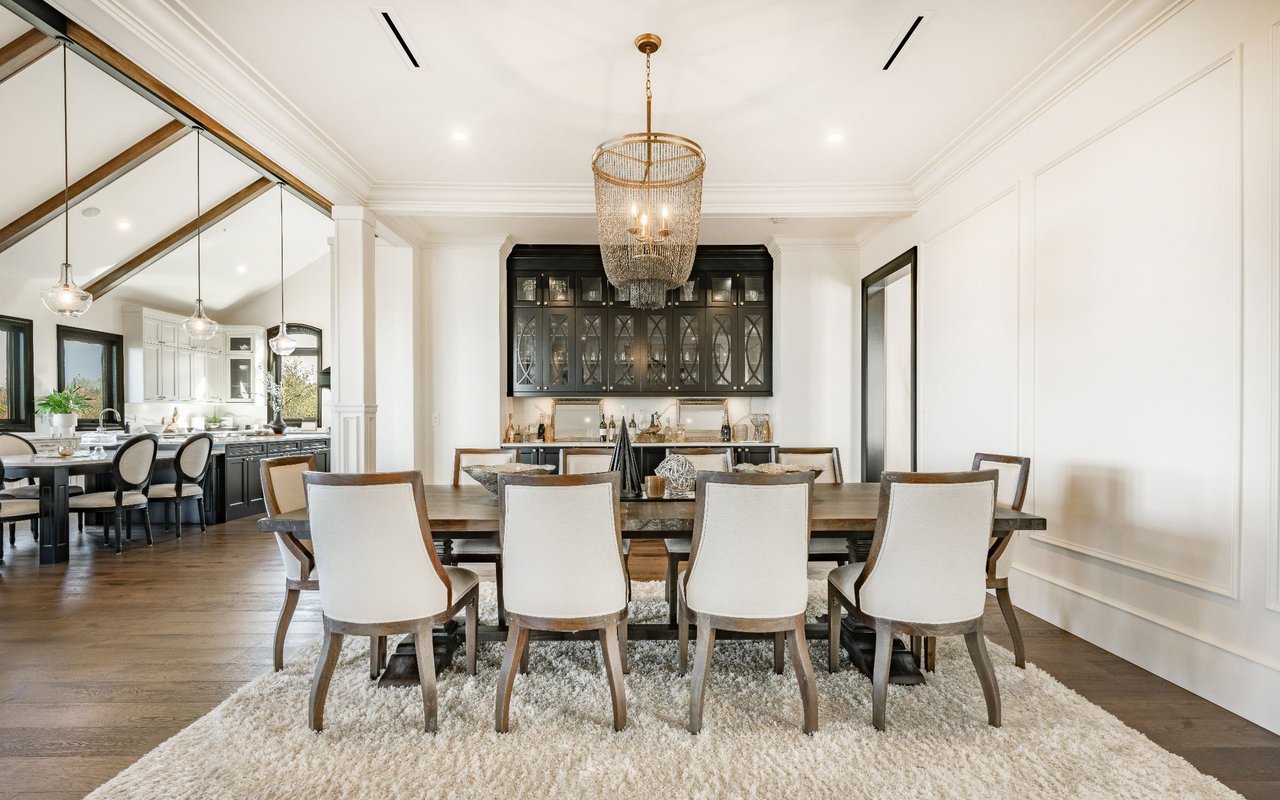
Newer homes in Anchorage usually appeal to buyers who want a more predictable ownership experience. That can mean fewer immediate repairs, a layout that feels more current, and features that may better reflect today’s expectations for storage, open living space, and work-from-home flexibility.
Anchorage adopted the 2018 International Residential Code and 2018 International Energy Conservation Code in 2020. As a result, newer homes are more likely to reflect the city’s current code environment than older properties.
That matters because energy performance is not just a comfort issue in Alaska. It can affect your monthly budget in a real way. Chugach Electric’s South District rate information lists a residential total of 23.9468 cents per kWh as of April 1, 2026, and Anchorage customers also face an undergrounding surcharge.
Benefits of newer construction
If you are comparing a newer home with an older one, these are some of the most common advantages to consider:
- More likely to align with current code standards
- Potential for stronger energy efficiency
- Lower near-term maintenance risk
- Floor plans that often match modern living patterns
- A possibility of builder warranties, depending on the property
For some buyers, that predictability is worth paying more upfront. If your schedule is busy or you do not want a long renovation list after closing, a newer home may offer more peace of mind.
Incentives that may matter
If you are looking at new construction, it is worth checking whether the property may qualify for the AHFC New Home Construction Rebate. AHFC states that eligible owner-occupied new construction meeting at least a 5-Star Plus energy-efficiency standard may qualify for a $10,000 rebate.
That does not make every new home the better deal, but it is an important factor to review when comparing total value.
What older homes can offer
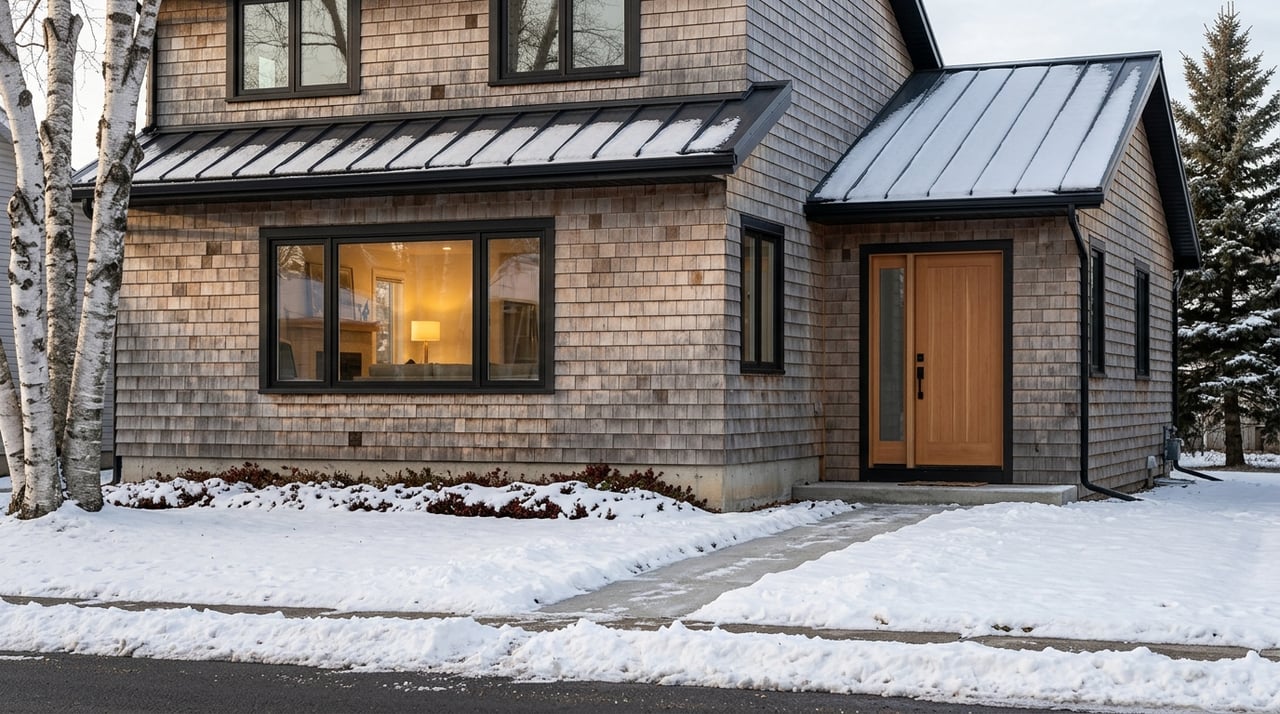
Older homes remain a major part of Anchorage’s housing landscape, and for many buyers, they are the most interesting option. They can offer established settings, more variety in design, and renovation potential that newer homes may not have.
The same Anchorage housing analysis notes that Midtown has a more diverse housing mix than Anchorage or Alaska as a whole. That can translate into more architectural variety, different lot patterns, and homes with details that feel less standardized.
Older homes can also fit buyers who want to customize over time. If you are comfortable planning improvements and budgeting for updates, an older property may give you more flexibility to shape the home around your goals.
Common trade-offs with older homes
That said, older homes usually need a closer look. In Anchorage, the most important questions often involve major systems, insulation, windows, heating equipment, and whether past additions or remodels were properly permitted.
The Municipality has said that much of the local housing stock was built before 2014, when local code became more restrictive, and that nonconforming features can make repair or rehabilitation work harder. In 2025, the city approved changes intended to make housing repair and rehabilitation easier, which is helpful context if you are considering an older property with future project plans.
Statewide data also reinforces how important rehab is to Anchorage’s housing future. The 2023 Housing Alaskans report says Anchorage is expected to need 7,000 housing units over the next decade, including 4,700 rehab or replacement units.
That tells you something important: buying older housing in Anchorage is not unusual. It is a central part of how many buyers enter the market and build long-term value.
Newer vs. older homes at a glance
Here is a simple way to compare the two:
| Factor | Newer Homes | Older Homes |
|---|---|---|
| Upfront cost | Often higher | May be lower, depending on condition and location |
| Maintenance | Usually more predictable near term | Often higher in the first 1 to 3 years |
| Energy performance | More likely to reflect newer standards | Varies widely by updates and condition |
| Layout | Often more current | May feel segmented or vary by era |
| Character and variety | Can be more uniform | Often more varied |
| Renovation potential | May need fewer changes | Often stronger if you want to customize |
Questions to ask before you decide
In Anchorage, the best comparison is not just about list price. You also want to look at utility exposure, renovation risk, and whether the home fits how you plan to live over time.
Use this checklist as you tour properties:
- What year was the home built?
- Which major systems have already been replaced?
- Were additions, remodels, or conversions permitted?
- Are there any known nonconforming features?
- What do recent utility bills look like?
- How is the home heated?
- If it is a new home, could it qualify for the AHFC rebate?
- If it is an older home, what work is likely in the first 1 to 3 years?
- Does the layout fit your long-term needs for storage, workspace, or household size?
If you are evaluating an older home with plans for a deck, garage, or addition, utility infrastructure should also be part of your review. ENSTAR notes that meter access must stay clear and that customers should not build over service lines, which can affect future remodel plans.
How to think about value in Anchorage
For many buyers, this decision comes down to one core question: Do you want predictability, or do you want flexibility?
Newer homes often trade a higher purchase price for lower near-term maintenance and potentially better efficiency. Older homes often trade more upkeep for established surroundings, more variety, and the chance to improve the home over time.
Neither path is automatically better. The right fit depends on your timeline, your budget after closing, your tolerance for projects, and how much you value energy performance versus renovation opportunity.
In Anchorage, those trade-offs are amplified by an aging housing stock, evolving code considerations, and recurring utility costs. That is why a careful, property-by-property review matters so much.
If you want help comparing newer and older homes in Anchorage with a clear eye on comfort, energy efficiency, and long-term value, Stephanie Richardson can help you evaluate the trade-offs and move forward with confidence.
FAQs
What should buyers compare when choosing between newer and older homes in Anchorage?
- Buyers should compare year built, major system updates, utility costs, heating type, permitted improvements, likely repair timeline, and whether the layout fits long-term needs.
Are older homes common in Anchorage real estate?
- Yes. Municipality data shows a meaningful share of Anchorage housing was built before 1970, and older homes are especially common in central areas such as Midtown.
Can a new home in Anchorage qualify for an energy-efficiency rebate?
- Yes. AHFC says eligible owner-occupied new construction that meets at least a 5-Star Plus energy-efficiency standard may qualify for a $10,000 rebate.
Why do utility costs matter when comparing homes in Anchorage?
- Utility costs matter because energy performance affects your ongoing monthly expenses, and local electric rates make efficiency an important part of total ownership cost.
What extra risks should buyers watch for in older Anchorage homes?
- Buyers should pay close attention to roofs, windows, insulation, heating equipment, past remodel permits, and any nonconforming features that could affect future repair or renovation work.