If your ideal week includes skiing before work, biking after dinner, or walking to a trail instead of driving across town, Anchorage deserves a closer look. This is a city where outdoor access is part of daily life, not just a weekend plan, and where the right home can make that routine much easier in every season. If you are searching for a home that supports an active lifestyle, this guide will help you think through where to look, what features matter, and how to match a property to the way you actually live. Let’s dive in.
Why Anchorage Fits Active Living
Anchorage stands out because it offers an unusually large trail network for a city its size. The Municipality of Anchorage maintains more than 250 miles of trails and greenbelts, including more than 120 miles of paved bike and multi-use trails, 130 miles of plowed winter walkways, 105 miles of maintained ski trails, and 24 miles of lighted ski trails.
That mix makes a difference when you are choosing a home base for year-round adventure. Instead of planning your life around a long drive to recreation, you can often build your routine around nearby trail access, maintained winter routes, and parks that stay useful throughout the year.
Anchorage also actively manages winter recreation. Municipal parkland supports cross-country skiing, winter biking, ice skating, sledding, dog mushing, skijoring, snowshoeing, and walking, and the city posts current ice and trail conditions. For buyers, that means winter access is not an afterthought. It is part of how the city functions.
Home Features That Support Adventure
In Anchorage, your lifestyle is shaped by more than square footage. The way a home handles snow, gear, moisture, and daily transitions can have a big impact on comfort.
NOAA climate normals for Anchorage show a January mean daily temperature of 15.4°F, a July mean daily temperature of 61.1°F, and normal winter snowfall of 74.5 inches at Ted Stevens Anchorage International Airport. In practical terms, that makes entry layout and storage especially important if you spend a lot of time outside.
Prioritize entry and storage space
A home that works well for an active household often includes:
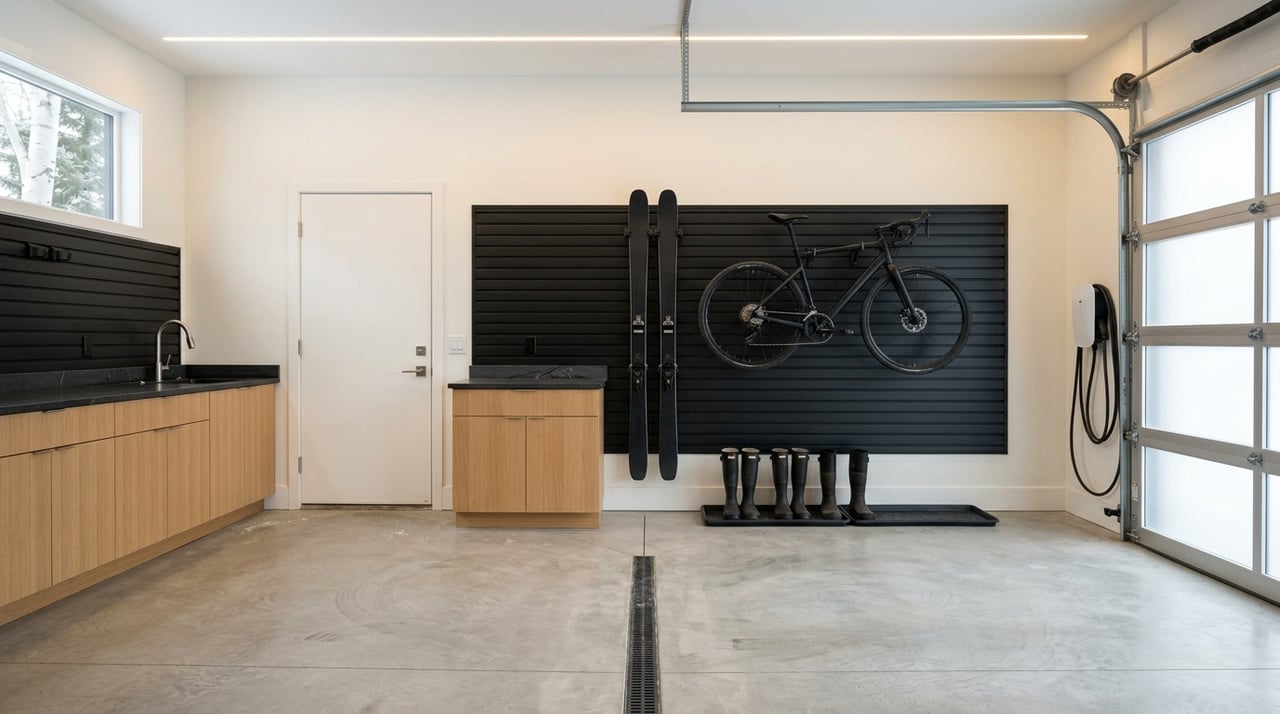
- A mudroom or entry drop zone
- An attached garage
- Built-in gear storage
- Space to dry boots and gloves
- Durable flooring near the main entrance
These features are not about luxury for luxury’s sake. They help keep daily life simpler when you are moving between trails, snow, rain, and regular errands.
Think beyond the house itself
It also helps to look at how the property supports your routine. A beautiful home can still feel inconvenient if your skis, bikes, or paddling gear have no practical place to go, or if getting outside always takes more effort than it should.
For many buyers, the best fit is a home that reduces friction. Easy parking, manageable snow-clearing logistics, and quick access to a park, trail, or lake can matter just as much as interior finishes.
Best Anchorage Areas for Outdoor Access
Different parts of Anchorage support different kinds of recreation routines. The right match depends on whether you picture yourself stepping onto a paved trail after work, heading to a ski loop on winter evenings, or living closer to trailheads and mountain-oriented routes.
West Anchorage and Kincaid
If you want paved trail access and a strong Nordic skiing setup, West Anchorage is worth a serious look. The Tony Knowles Coastal Trail starts downtown and runs almost 11 miles to Kincaid Park, with multiple downtown access points, beach access, and a relatively flat, well-marked route.
Kincaid Park adds even more year-round value. The municipality says the park covers 1,400 acres, and its 60 kilometers of interwoven trails support biking, hiking, walking, running, skiing, and competitions, with nearly 20 kilometers lighted.
For many buyers, this area supports an easy after-work routine. You can focus on proximity to paved connections, ski access, and recreation infrastructure that stays useful in multiple seasons.
Midtown, UMED, and central trails
If your goal is to stay close to the center of Anchorage while keeping trail access nearby, Midtown and UMED can be a strong fit. The Lanie Fleischer Chester Creek Trail is a four-mile paved multi-use trail from Westchester Lagoon to the Goose Lake Park area and is used year-round for biking, running, walking, skiing, and commuting.
The Campbell Creek Trail extends 7.5 miles from West Dimond to MLK Jr. Avenue and provides access across a large portion of the Anchorage Bowl. University Lake Park in the UMED district sits beside a multi-use trail that connects Chester Creek and Campbell Creek, which can make central Anchorage feel surprisingly connected to outdoor recreation.
This part of the city often appeals to buyers who want convenience in daily life. The practical question here is often simple: how fast can you get from your front door to a trail, creek corridor, or lake?
South Anchorage and the Hillside
If you want a more trailhead-driven routine, South Anchorage and the Hillside may be the better match. The Hillside trail system in Chugach State Park offers access to hiking, biking, and skiing close to the city, and Chugach State Park sits largely within the Municipality of Anchorage.
The park contains about 495,000 acres, and its western boundary is seven miles east of downtown Anchorage. Trails in the Hillside area include Powerline, Gasline, White Spruce, South Fork Rim, and Silver Fern, with several routes open to hiking, biking, and skiing, and some allowing fat-tire biking in winter.
This area can suit buyers who want outdoor access to shape the rhythm of everyday life. If you like the idea of living close to trailheads and spending less time commuting to recreation, it is a natural place to explore.
What a Water Lifestyle Looks Like
Water access in Anchorage is focused on practicality. If you are imagining paddling, swimming, or casual summer outings, certain locations may fit well, but it helps to set the right expectations.
The Municipality of Anchorage notes that Goose Lake and Jewel Lake offer beaches, bike trail access, and non-motorized small-craft areas. The city also states that municipal lakes are swim at your own risk, with no lifeguards on duty, and that motorized vehicles are generally prohibited on municipal water bodies, with limited exceptions.
That means a water-oriented lifestyle in Anchorage is often about simple access and everyday enjoyment. You are usually looking for shoreline proximity, trail connections, and small-craft use rather than marina-style boating.
How to Evaluate a Home for Four Seasons
When you tour homes in Anchorage, it helps to think beyond the listing photos. A property may look great online, but the better question is whether it supports your routine in January, July, and everything in between.
Ask practical location questions
As you compare homes, consider:
- How quickly can you reach a maintained trail?
- Are there lighted trails nearby for after-work use?
- Is the closest park or lake useful year-round or mostly seasonal?
- What will snow clearing look like at this property?
- Is there enough garage or storage space for the gear you already own?
These questions can help you move from broad lifestyle goals to a more realistic daily picture.
Watch for year-round usability
Anchorage has a strong four-season outdoor culture, but not every location functions the same way in winter. Homes near maintained ski trails, plowed walkways, or lighted corridors can make outdoor routines much easier to keep.
The city’s trail system includes maintained ski trails, plowed winter walkways, and lighted routes, and it updates trail and ice conditions seasonally. If winter activity matters to you, proximity to those managed areas can be a major quality-of-life benefit.
Keep safety and trail conditions in mind
Official Anchorage trail pages emphasize multi-use trail etiquette and wildlife awareness. The Hillside guide for Chugach State Park also notes that moose and bears frequent the trails.
That does not mean you should avoid these areas. It simply means your home search should include a practical understanding of how you plan to use nearby outdoor spaces throughout the year.
Matching the Home to Your Lifestyle
The best Anchorage home for outdoor living is not always the one with the most dramatic setting. Often, it is the one that makes your routine feel easier, cleaner, and more consistent through every season.
For some buyers, that means a West Anchorage location near the Coastal Trail and Kincaid Park. For others, it means a central home with easy access to Chester Creek, Campbell Creek, or University Lake. And for buyers who want a more mountain-adjacent feel, the Hillside may offer the right kind of access and rhythm.
A thoughtful home search should balance location, layout, storage, and comfort. In Anchorage, that is often where long-term value and daily enjoyment come together.
If you want help narrowing down Anchorage neighborhoods and properties that fit the way you actually live, Stephanie Richardson can help you find a home that supports your outdoor routine with comfort, clarity, and a low-stress buying process.
FAQs
What makes Anchorage a good city for year-round outdoor living?
- Anchorage maintains more than 250 miles of trails and greenbelts, including paved multi-use trails, plowed winter walkways, maintained ski trails, and lighted ski trails, which supports outdoor activity in every season.
What Anchorage areas are best for trail access near home?
- West Anchorage and Kincaid are strong for Coastal Trail and ski access, Midtown and UMED connect well to creek and lake corridors, and South Anchorage and the Hillside are a good fit for buyers who want quick access to trailheads in Chugach State Park.
What home features matter most for an active Anchorage lifestyle?
- Buyers often prioritize mudrooms, attached garages, gear storage, places to dry boots and gloves, and durable flooring near entrances because Anchorage has long winters, snow, and frequent outdoor gear use.
What kind of lake access is realistic in Anchorage?
- In Anchorage, lake access is typically geared toward swimming, paddling, beach use, and non-motorized small craft rather than marina-style boating, with municipal rules limiting motorized use on most city water bodies.
Can you really do winter recreation close to home in Anchorage?
- Yes. The municipality maintains ski trails, plowed winter walkways, and lighted trail corridors, and it posts current trail and ice conditions to support winter access across the city.
What should buyers check when choosing an Anchorage home for outdoor living?
- Buyers should look closely at trail access, lighted or maintained winter routes, garage and storage space, snow-clearing logistics, and whether nearby parks, trails, or lakes fit the kind of year-round use they want.