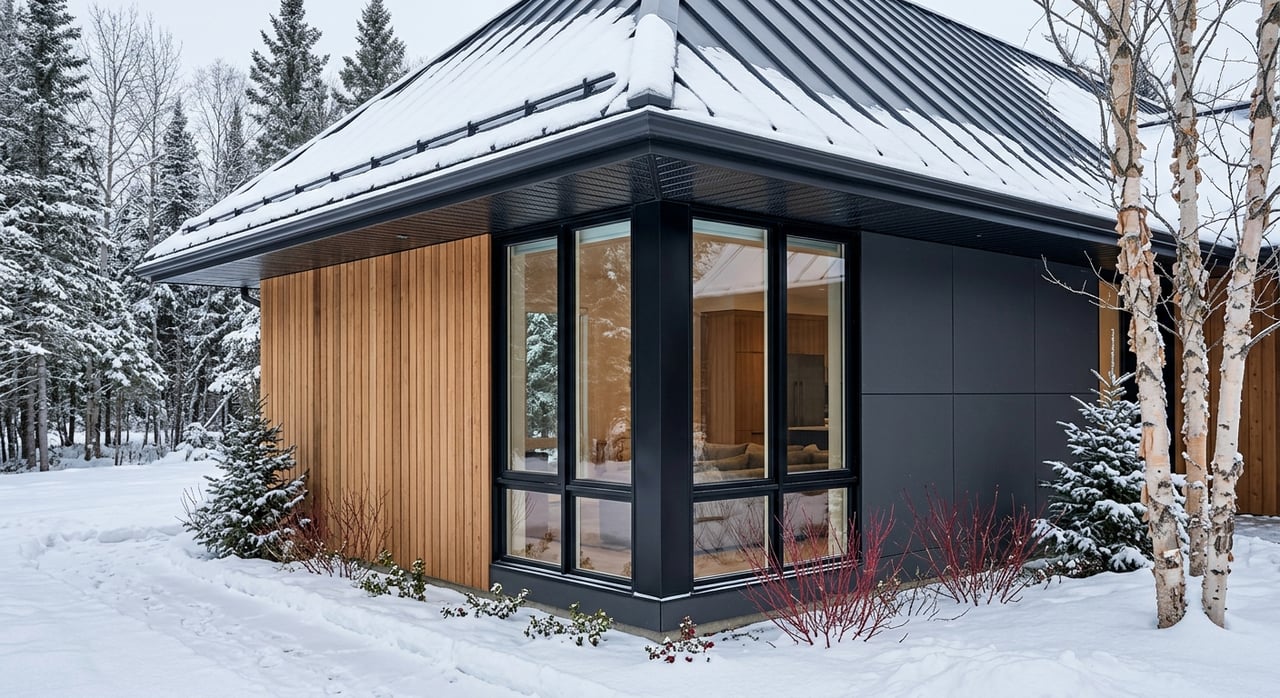
Wondering if your Anchorage home is truly ready for winter? In this market, winter is not a short event you react to. It is a long season that can test your roof, heating system, pipes, and overall comfort for months at a time. With the right maintenance plan, you can reduce stress, protect your home, and make smarter decisions before cold weather settles in. Let’s dive in.
Why Anchorage Needs Early Planning
Anchorage homeowners should think in terms of a long winter calendar, not just one big snowstorm. NOAA’s 1991 to 2020 normals for Anchorage International Airport show about 77.9 inches of annual snowfall, and average temperatures in January, February, and March stay cold enough for snow, ice, and freeze-thaw cycles to remain an issue.
That long cold stretch changes how you should plan maintenance. The Municipality of Anchorage treats winter maintenance season as running from October through May, which is a helpful reminder that winter demands can begin early and last well into spring.
The biggest takeaway is simple: the best time to protect your home is before the first hard freeze. Once freezing temperatures are steady, sealing gaps, correcting moisture issues, and scheduling service often become harder and more expensive.
Focus on the Building Envelope
Your home’s building envelope includes the roof, attic, walls, windows, doors, and the areas that separate heated indoor air from the outdoors. In Anchorage, this matters because heat loss and air leakage can drive many common winter problems, including drafts, uneven temperatures, attic moisture, and ice dams.
The U.S. Department of Energy notes that reducing air leakage with caulk and weatherstripping can improve comfort and durability. In practical terms, that means a tighter home can feel warmer, work more efficiently, and put less strain on your heating system.
Check Air Leaks First
Air sealing works best when it is done thoughtfully. In vented attics, the ceiling should act as the main air barrier, and penetrations around wiring, fixtures, flues, ducts, and soffits should be sealed before insulation is added or topped up.
If you are not sure where your home is losing heat, a qualified home energy assessor can help. DOE says this is a standard part of a whole-house energy assessment and can help pinpoint where insulation and air-sealing improvements will have the greatest impact.
Time Caulking for Warmer Weather
One detail many homeowners overlook is timing. DOE guidance says exterior caulk is best applied in dry weather above 45°F, so late summer and early fall are usually the most practical windows for this work in Anchorage.
If you wait until temperatures are consistently cold, you may miss the easiest opportunity to seal gaps around windows, doors, and exterior penetrations. Planning this work early can make winter comfort noticeably better.
Support a Healthy Attic
A well-performing attic is a big part of winter resilience. In vented attics, insulation should stay in continuous contact with the air barrier, and baffles or similar measures should help keep insulation from slipping into the eaves.
That setup helps preserve ventilation, which supports more even roof temperatures and lowers the risk of ice dams. It also helps control moisture, which matters in a climate where warm indoor air can create problems if it escapes into cold attic spaces.
Service Heating Systems Before Winter
Your heating system should be checked before winter demand peaks. ENERGY STAR recommends an annual pre-season checkup, and fall is the right time to schedule it.
A professional service visit may include checking thermostat settings, electrical connections, controls, condensate drains, and heating-specific items such as gas or oil connections, burner combustion, and the heat exchanger. DOE also notes that a professional should inspect the vent connection pipe and chimney and confirm that a carbon monoxide alarm is working.
Stay on Top of Filters
A dirty filter can raise energy costs and put added strain on equipment. For many standard systems, filters should be checked on a monthly basis or changed as needed.
If your home uses a heat pump, DOE recommends annual technician service and filter changes every three months or based on the manufacturer’s guidance. This is a simple step, but it can make a real difference in system performance during Anchorage’s cold season.
Protect Pipes From Freezing
Frozen pipes are more than an inconvenience. DOE warns that when water in a pipe starts freezing, the pipe can burst.
Pipes in crawlspaces, attics, and other colder parts of the home deserve special attention. Kitchen and bathroom pipes can also be vulnerable because they often depend on your home’s ambient heat to stay warm enough.
Focus on Vulnerable Areas
Before winter, look at any piping that runs through unheated or less-protected spaces. DOE recommends insulating pipes in colder locations such as crawlspaces and attics.
It also helps to keep vulnerable spaces warm enough during severe cold. If you plan to lower indoor temperatures, follow your heating system manufacturer’s guidance rather than letting the home drift too cool for too long.
Manage Roofs, Gutters, and Drainage
Roof water management is a core part of winter home care. DOE and building-science guidance note that if meltwater is not moved away from the home, roof runoff can saturate soil and contribute to foundation moisture problems.
That is why gutters and downspouts matter even in a snowy climate. Before freeze-up, gutters should be cleaned, and downspouts should discharge water away from the house.
Reduce Ice Dam Risk
Ice dams usually start with heat loss. In cold climates, attic heat can melt roof snow, and that water can refreeze at the eaves.
The main prevention steps are consistent: air seal the ceiling plane, keep attic insulation continuous, and maintain attic ventilation. These are not glamorous upgrades, but they are some of the most practical ways to protect long-term durability.
Be Careful With Roof Snow Removal
After a major storm, it can be tempting to clear roof snow right away. FEMA advises that roof snow removal should be handled only by qualified individuals when conditions make it necessary.
FEMA also warns that removing all snow from a roof can damage the roof covering. In general, routine shoveling around walkways and driveways is normal, but roof snow should be treated as a careful decision, not an automatic one.
Plan for Entryways and Snow Storage
Doors, windows, and entry zones do a lot of work in winter. DOE recommends checking weatherstripping annually, and older exterior doors may need repair or replacement if drafts continue.
This is also the time to think about how snow will move around your property. Anchorage’s winter guidance says occupants are responsible for removing snow and ice from adjacent sidewalks and accessible parking spaces, and snow from driveways and mailboxes is also the owner’s responsibility.
Know Where Snow Can Go
Anchorage also has clear rules about snow placement. Snow removed from a private driveway cannot be pushed into the street right-of-way or onto sidewalks.
Because the city reserves rights-of-way for snow storage, it helps to plan ahead for driveway snow piles, visibility, and plow access. A little forethought can make routine storms easier to manage all season long.
Use a Simple Seasonal Checklist
A strong winter maintenance plan does not need to be complicated. It just needs to match Anchorage’s climate.
Late Summer to Early Fall
- Inspect attic air sealing
- Add or top up insulation where needed
- Replace worn weatherstripping
- Apply exterior caulk in dry weather above 45°F
- Schedule heating service before contractor demand increases
- Clean gutters and confirm downspouts move water away from the home
First Snowfall Through Midwinter
- Check or replace filters on the proper schedule
- Monitor crawlspaces, attics, and other pipe-vulnerable areas
- Keep indoor temperatures within safe operating guidance for your system
- Clear sidewalks and driveways promptly
- Keep private snow out of streets, sidewalks, and rights-of-way
Spring Thaw
- Inspect attic ceilings for stains or signs of leaks
- Review roof flashing after winter weather
- Check grading and drainage around the foundation
- Repair moisture issues before the next cold season
Why This Matters for Long-Term Value
In Anchorage, winter maintenance is not just about avoiding emergencies. It is also about preserving comfort, energy performance, and long-term property value.
If you are buying, these are the kinds of details worth noticing during showings and inspections. If you are selling, thoughtful upkeep can help support buyer confidence, especially when energy efficiency and year-round comfort are part of the home’s appeal.
A home that is prepared for an Alaska winter often feels better to live in and easier to evaluate. That practical confidence matters in every season.
If you are planning a move, preparing to sell, or evaluating how winter-ready a property really is, Stephanie Richardson can help you think through comfort, maintenance, and long-term value with a calm, informed approach.
FAQs
When should Anchorage furnace or boiler service happen?
- Fall is the best time for heating system service, before winter demand increases and before severe cold arrives.
How often should Anchorage homeowners change HVAC filters?
- Standard systems should have filters checked monthly or changed as needed, while heat pump filters are commonly changed every three months or according to manufacturer guidance.
Who is responsible for sidewalk snow removal in Anchorage?
- The adjacent occupant or property owner is responsible for removing snow and ice from sidewalks and accessible parking spaces next to the property.
Where can driveway snow go in Anchorage?
- Snow from private driveways cannot be pushed into the street, onto sidewalks, or into the right-of-way.
When should Anchorage roof snow be removed?
- Roof snow should be removed only when accumulation or drifting makes it necessary, and the work should be done by qualified individuals using safe methods.
What home areas are most vulnerable to frozen pipes in Anchorage?
- Pipes in crawlspaces, attics, and other colder spaces are common risk points, and kitchen and bathroom pipes can also be vulnerable if they rely on ambient indoor heat.